Solo camping, as the name suggests, means "enjoying camping alone." The advantage is that you don't have to worry about others, as you decide everything yourself, including the location, departure time, duration of stay, and how you spend your time there.
Of course, that's not all; enjoying nature by yourself allows for a different kind of fun compared to camping with friends, which is also a major appeal of solo camping.
Solo camping has been gaining attention, partly due to comedian Hiroshi, a big solo camping enthusiast, whose videos are popular.
While solo camping is gaining attention, first-timers need to be careful when starting out. The reason is that solo camping requires you to do everything yourself, from pitching the tent to preparing meals, which can be much more challenging than expected.
In addition, if you encounter any trouble at the campsite, you have to solve it all by yourself. While such troubles might be part of the appeal of solo camping, you probably want to avoid them as much as possible.
When it comes to solo camping, be particular about gear selection, which is one of the essential preparations.
In solo camping, you can only rely on your experience and your gear. Especially for those with little camping experience, it's advisable to choose your gear carefully.
Here, we'll introduce some recommended essential gear for solo camping.
Backpack
For those considering solo camping, the first item I recommend purchasing is a "backpack" to carry your belongings.
Backpacks come in various capacities, so choose one that suits your anticipated camping style and situation.
For example, if you're planning a mountain hike, a 50L to 70L backpack is recommended. Consider this capacity to accommodate a tent, sleeping bag, and food for cooking.
Also, if you're planning to stay at a campsite or mountain hut, a 30L to 50L backpack will suffice. If you're transporting your tent and other gear by car, there's no need to fit them into your backpack, and a tent isn't necessary when staying at a mountain hut.
Cookware
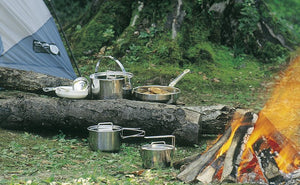
You'll also want to be particular about your cookware, which will make cooking, a pleasure of solo camping, even more comfortable.
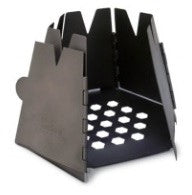
Choose your cookware according to the location and situation where you'll be cooking. For example, fire, essential for cooking, might be provided as a fire-starting set at a campsite, so you might not need to prepare a gas stove.
However, if you're planning to camp in the mountains, prioritize how you'll make fire on site. For those aiming for an overnight stay during a hike, a compact gas stove that fits in a backpack is recommended. Also, some campsites prohibit open fires, so in such cases, it's advisable to prepare a single-burner gas stove.
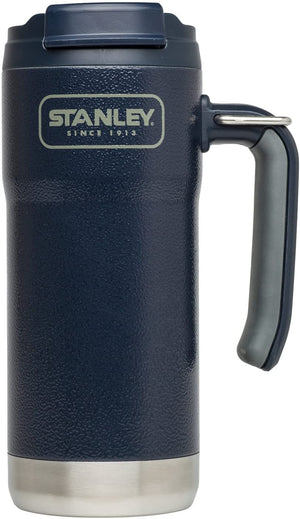
In addition, tableware like cups and plates are sold in various materials, from stainless steel to wood. For hikers, lightweight and compact stainless steel items are recommended.
Accommodation Gear
Choosing accommodation gear also requires careful consideration for solo camping. In particular, the following three items are crucial for solo camping:
・Sleeping bag
・Tent
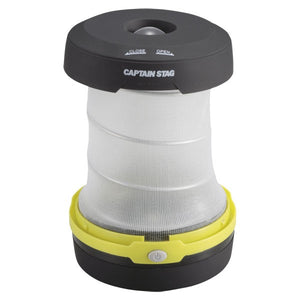
・Lantern
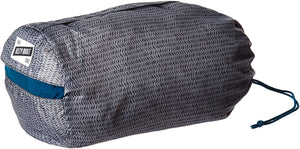
Choose a sleeping bag, which serves as your bedding during camping, according to the season you'll be solo camping. Sleeping bags come in summer, winter, and 4-season types. Also,
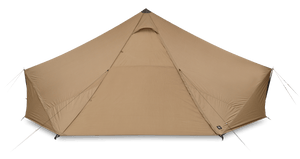
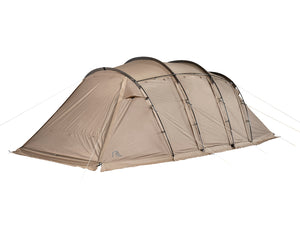
If you're not using a mountain hut, don't forget to purchase a tent. Tents are available in single-person sizes, but for those who want "a little more space," consider a 1.5 to 2-person tent. A single-person tent is only about one tatami mat in size, so you can't do anything but sleep in it. Also, a lantern is essential for nighttime. The mountains are completely dark at night, so a lantern is a must-have.
The essence of solo camping is to enjoy nature by yourself and discover the joys of camping that you might not notice when camping with friends. In solo camping, you have to deal with any troubles that arise on your own, so for those with little camping experience, choosing the right gear is crucial. For essential camping gear such as backpacks, cookware, and sleeping bags, refer to the information provided here and choose carefully.