



Mar 30, 2026
[New Standards] Motorcycle Engine Displacement Categories: Maintenance Costs, Traffic Rules, and Licenses for Each Displacement
What's an Appropriate Mileage for a Used Motorcycle Purchase? A Comprehensive Guide for Beginners to Avoid Mistakes

Mileage目安走行距離 to consider when buying a used motorcycle

Source: https://pixabay.com/ja/photos/BC-8191213/
Used motorcycles are appealing because they are cheaper than new ones, and mileage is a good indicator of the bike's condition.
While mileage can give you an idea of a bike's condition, a well-maintained bike can remain in good condition even with high mileage.
Under 5,000 km
Used motorcycles with less than 5,000 km on the odometer are often in good condition, and in most cases, you can ride them as is without replacing any consumables.
Many of these bikes have been used as display models in motorcycle shops or as test rides, and those with less than 2,000 km can be considered almost new.
Used motorcycles with less than 5,000 km generally offer good condition.
Under 30,000 km: Often in relatively good condition
Bikes with less than 30,000 km on the odometer are often in relatively good condition, but 50cc class bikes might be nearing the end of their lifespan.
Bikes with less than 10,000 km often don't require much replacement of consumables, but after about 5,000 km, parts like the chain and sprockets might need changing.
A motorcycle's condition also depends on how well it was cared for, not just its mileage. Therefore, for bikes between 20,000 and 30,000 km, the frequency of maintenance significantly impacts their condition.
Over 30,000 km: Issues tend to start appearing
When a motorcycle's mileage exceeds 30,000 km, the replacement of wear parts increases, and issues tend to become more frequent.
It is said that various issues start appearing in motorcycles around the 30,000 km mark. These issues can include wobbling handlebars when going over bumps, vibrations while riding, and unusual noises.
Furthermore, around 30,000 km, the difference in condition due to riding style becomes more pronounced, and the individual variations among used bikes become clear.
Over 40,000–50,000 km: Repair costs can become high
Used motorcycles with 40,000 to 50,000 km on the odometer are at a stage where parts not visible from the outside often need replacing, leading to higher repair costs.
Some people choose motorcycles purely based on price once they exceed 40,000 km, as prices tend to drop. However, it's essential to budget for wear parts and repair costs, as these additional expenses can sometimes make the overall cost quite high.
When considering a purchase, calculate the total cost including the motorcycle's price, replacement of wear parts, and maintenance fees.
50,000–100,000 km or more is an estimated lifespan
While it varies by engine displacement, a motorcycle's estimated lifespan is around 50,000 to 100,000 km.
Beyond 50,000 km, malfunctions are more likely to occur, and repair costs are highly likely to increase significantly.
For 50cc and 125cc moped-class bikes, due to their frequent high-RPM operation, the estimated lifespan is around 10,000 to 30,000 km.
6 tips for choosing a used motorcycle

Source: https://pixabay.com/ja/photos/A4-7033470/
Please explain the heading content based on the reference URLs, etc.
I've tentatively created h3 headings, but please adjust them as needed.
When buying a used motorcycle, here are 6 points to consider:
Consider these points, along with the mileage, to help you decide which bike to buy.
Point 1: First Impression
When choosing a used motorcycle, the initial impression is important. If you see one and think, "This is it!" then check its mileage and details as a candidate for purchase.
Conversely, if you feel something is off the moment you see the bike, it's probably best not to buy it.
If your first impression is good, don't immediately decide on that bike. Instead, consider it a candidate and compare it with other bikes before making your final decision.
Point 2: Don't judge solely by price
Due to budget constraints, many people want to buy a used motorcycle as cheaply as possible. However, the price of a used motorcycle varies depending on not only the mileage but also its accident history and condition.
A motorcycle that is significantly cheaper than the market rate may have unseen problems. If you decide to buy solely based on a low price, you might end up with frequent breakdowns and a lot of trouble after the purchase.
Prices also differ between bikes sold after maintenance, including the replacement of consumables, and those sold "as-is" without maintenance. "As-is" sales are generally cheaper.
However, since it's difficult to assess the condition of an "as-is" bike, it's recommended to purchase a used motorcycle that has been serviced.
Point 3: Engine operation
If possible, start the engine before purchasing the motorcycle and check for any unusual noises coming from it.
Also, it's important to check if the RPMs increase smoothly without any hesitation when revving the engine.
If there's an engine problem, repairs can be costly, so start the engine and check if the RPMs rise smoothly without any issues.
Point 4: Suspension condition
The suspension is another area to check before purchasing. If the suspension is worn out, you might experience continuous vibrations while riding or reduced grip.
Push down on the suspension and seat to check if they operate smoothly. It's normal for them to not bottom out when pushed and to return at a consistent speed when released.
If you feel any sticking or resistance when pushing down, or if the suspension doesn't return smoothly and quickly, it indicates that the suspension is worn out or bent, signaling an abnormality.
If there are several bikes of the same model, it's recommended to compare them by pushing down on their suspensions to easily spot any differences.
Point 5: Exterior check
Checking the exterior for noticeable scratches and signs of oil leaks on the engine or front forks is also a crucial point when selecting a used motorcycle.
When buying a used vehicle, you want to avoid accident-damaged ones. Major accidents can cause damage to the frame, fuel tank, and handlebar stoppers, so check these areas for any scratches or chips.
Even if the frame appears clean, if there are signs of re-welding or if the frame is unusually clean compared to the rest of the body, it's possible that the frame has been repaired.
Point 6: Maintenance history (service records, replacement history, etc.)
Motorcycles with detailed maintenance dates and content, or records of parts replacement in their logbook, are likely to have been well cared for.
The maintenance records also show how frequently maintenance was performed, and bikes that have been regularly maintained are often in good condition.
If you want to purchase a bike in better condition, it's advisable to consider bikes with a good maintenance history.
【Caution】Short mileage does not necessarily mean good condition

Source: https://pixabay.com/ja/photos/8C-8139535/
Mileage is merely a guideline for assessing a motorcycle's condition; short mileage does not guarantee a good state.
Even with the same mileage, a bike's condition can vary depending on how it was ridden and the frequency of maintenance. If you're considering buying a used motorcycle, please also pay attention to the following points:
Caution 1: Has the mileage been tampered with?
Although it is illegal to tamper with a motorcycle's mileage, unfortunately, there are unscrupulous dealers who reduce mileage to sell bikes at higher than market prices.
Don't judge solely by mileage. Instead, make a comprehensive assessment by checking if the motorcycle's exterior matches its mileage, and inspect the condition of parts like the chain and sprockets.
If it is discovered after purchase that the mileage has been tampered with or misrepresented, you can claim cancellation of the contract based on breach of contract.
However, you must make the claim within one year of discovering the fact, so if you find out, promptly request cancellation of the contract from the shop.
Caution 2: Has it been left unused for a long time?
Even if a motorcycle has low mileage, if it has been left unused for a long time, parts are often deteriorated or rusted.
If a motorcycle's mileage is unusually low considering its registration year, it raises suspicion that it has either been left unused for a long time or that the odometer has been tampered with.
Assess it comprehensively by starting the engine to check if it starts and revs smoothly, and by checking for rust on the frame and around the engine.
Caution 3: Does it have an accident history?
Checking for an accident history is also an important point when purchasing a used motorcycle.
While you would want to confirm if it's an accident-damaged vehicle at a motorcycle shop, a simple fall might not qualify it as such.
An "accident-damaged vehicle" refers to a motorcycle where the frame has been damaged and subsequently repaired. If the fall did not damage the frame, it is not considered an accident-damaged vehicle.
Even if a motorcycle falls over or is involved in a low-speed tip-over, if there's no damage to the frame, it's not classified as an accident-damaged vehicle. So, a dented tank often doesn't mean it's an accident-damaged bike.
Used Motorcycle Mileage FAQ

Source: https://pixabay.com/ja/photos/B8-7006472/
This section summarizes "frequently asked questions" and "answers" regarding used motorcycle mileage.
If you're considering buying a used motorcycle, please refer to this as well.
What are the risks of a high-mileage used motorcycle?
High-mileage motorcycles carry the risk of breakdowns and engine trouble.
The higher the mileage, the more parts deteriorate and wear out, leading to a higher risk of breakdowns.
However, mileage is only a guideline for understanding a bike's condition. Some bikes with low mileage may have frequent breakdowns due to poor riding habits, while others with high mileage may run stably thanks to thorough maintenance.
Is there a guideline for the market price of used motorcycles based on mileage?
Motorcycles are said to become more prone to breakdowns and issues once they reach 30,000 km.
Therefore, motorcycles that have exceeded 30,000 km tend to have lower market prices and are often more affordable compared to bikes in the 20,000 km range.
Conversely, bikes with less than 10,000 km often require no maintenance and tend to fetch higher prices.
What is the most cost-effective mileage?
There is no single guideline for the most cost-effective mileage, as the used market price of a motorcycle is determined by its mileage, condition, and accident history.
The best approach for you is to set a budget and compare various bikes within that budget to find the best one.
Motorcycles are sold either after being serviced or "as-is" without servicing, with "as-is" bikes being cheaper to purchase.
Summary
Source: https://pixabay.com/ja/photos/AF-5026152/
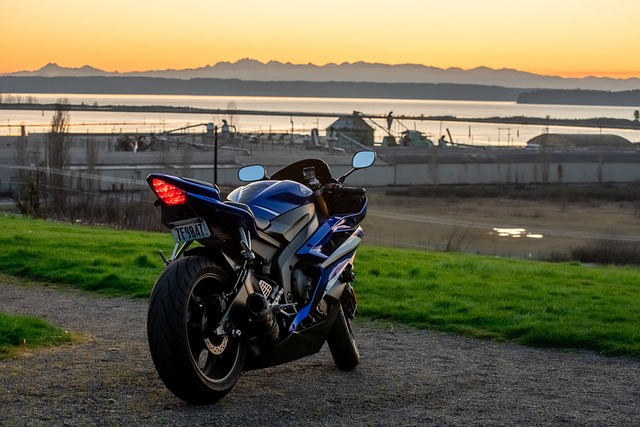
We've discussed mileage as a standard for selecting used motorcycles, along with their condition and guidelines for different mileage ranges.
Mileage is merely a guideline for the sales price. If a bike is sold at a price lower than the market rate, check for accident history and confirm that the engine starts smoothly.
We've also explained important points to consider when choosing, so please use them as a reference when selecting a used motorcycle.
Recommended Products
Latest Articles



Popular product


×
![]()